Playa Grande Lican-Ray
⭐ 4.6(19,180) · 19,180 reviews

Playa Grande Lican-Ray

A black volcanic-sand beach on the north shore of Lake Calafquén, between native forest, water sports and Mapuche culture in Chile's La Araucanía Region.

🕒 Open 24 hours

Free public access Family-friendly Open 24 hours

Discover Playa Grande Lican-Ray

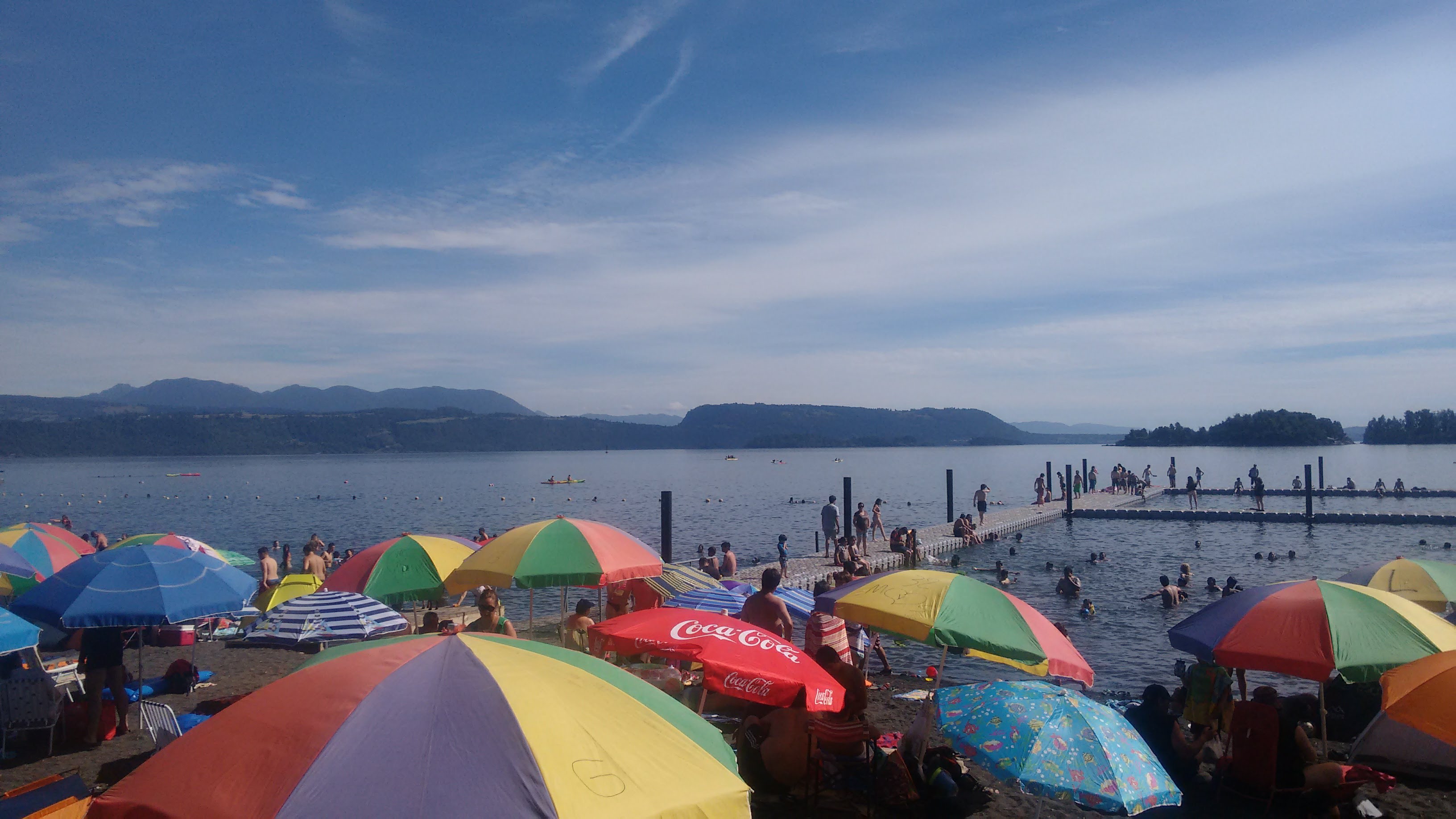
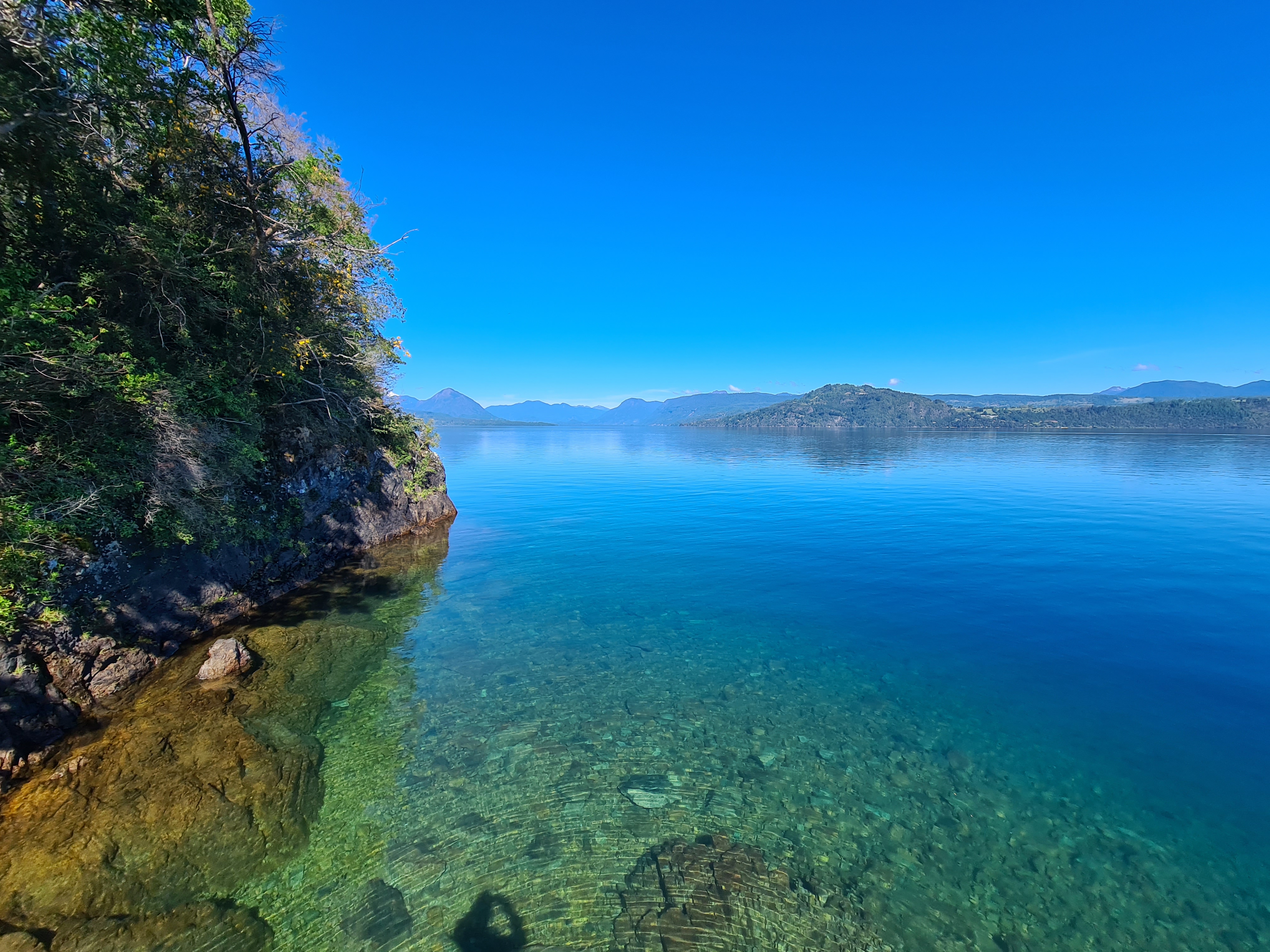
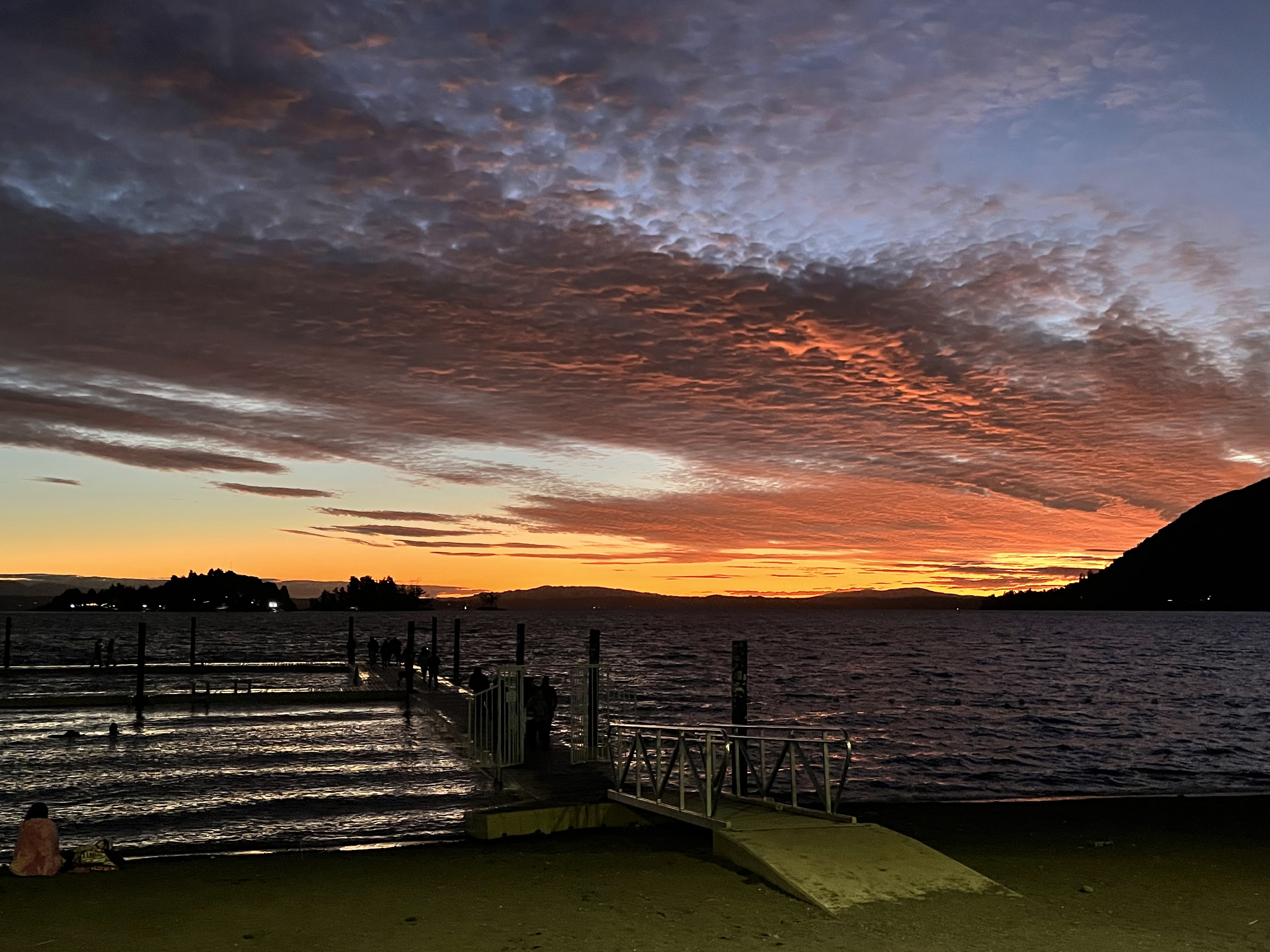
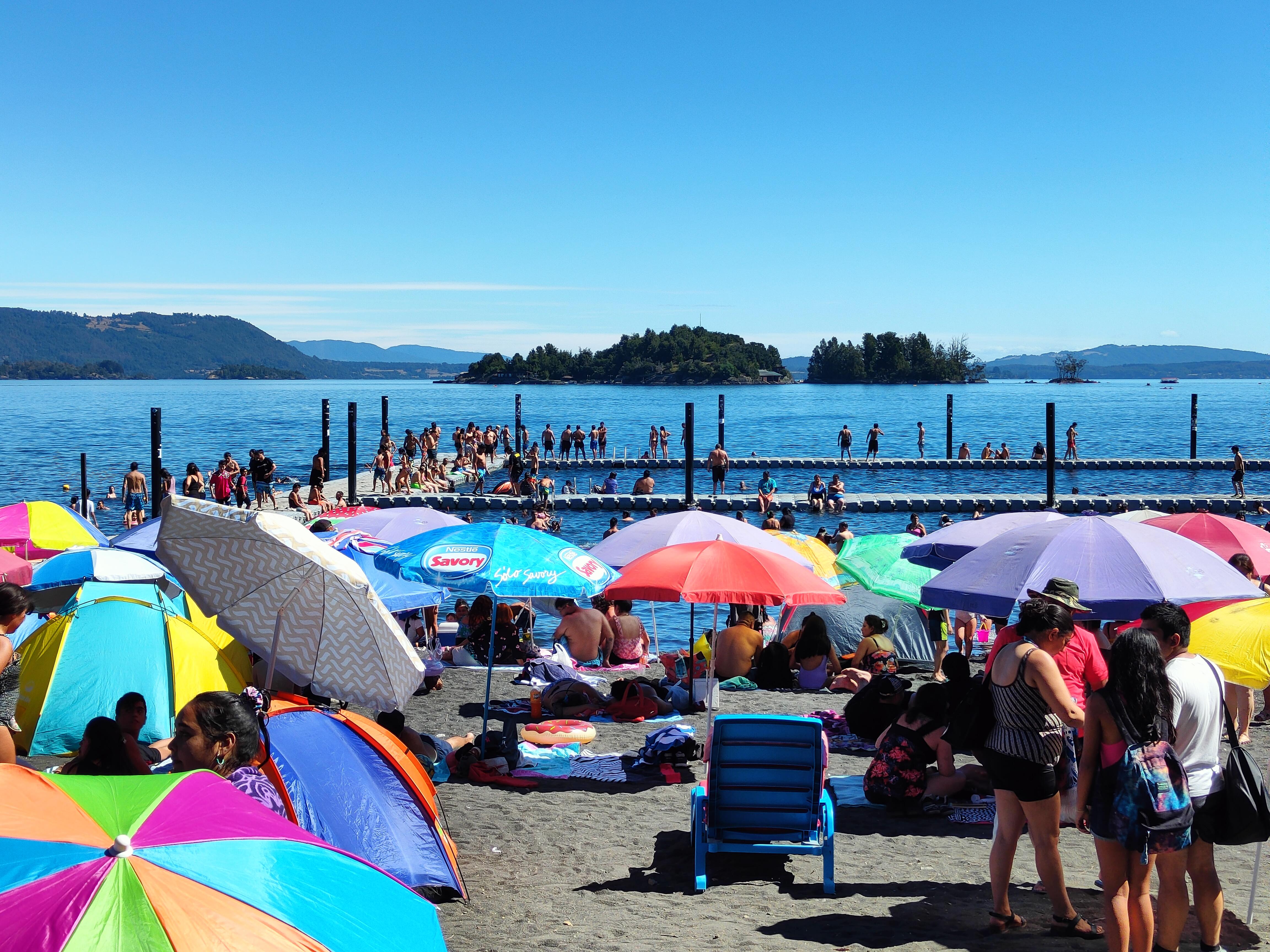
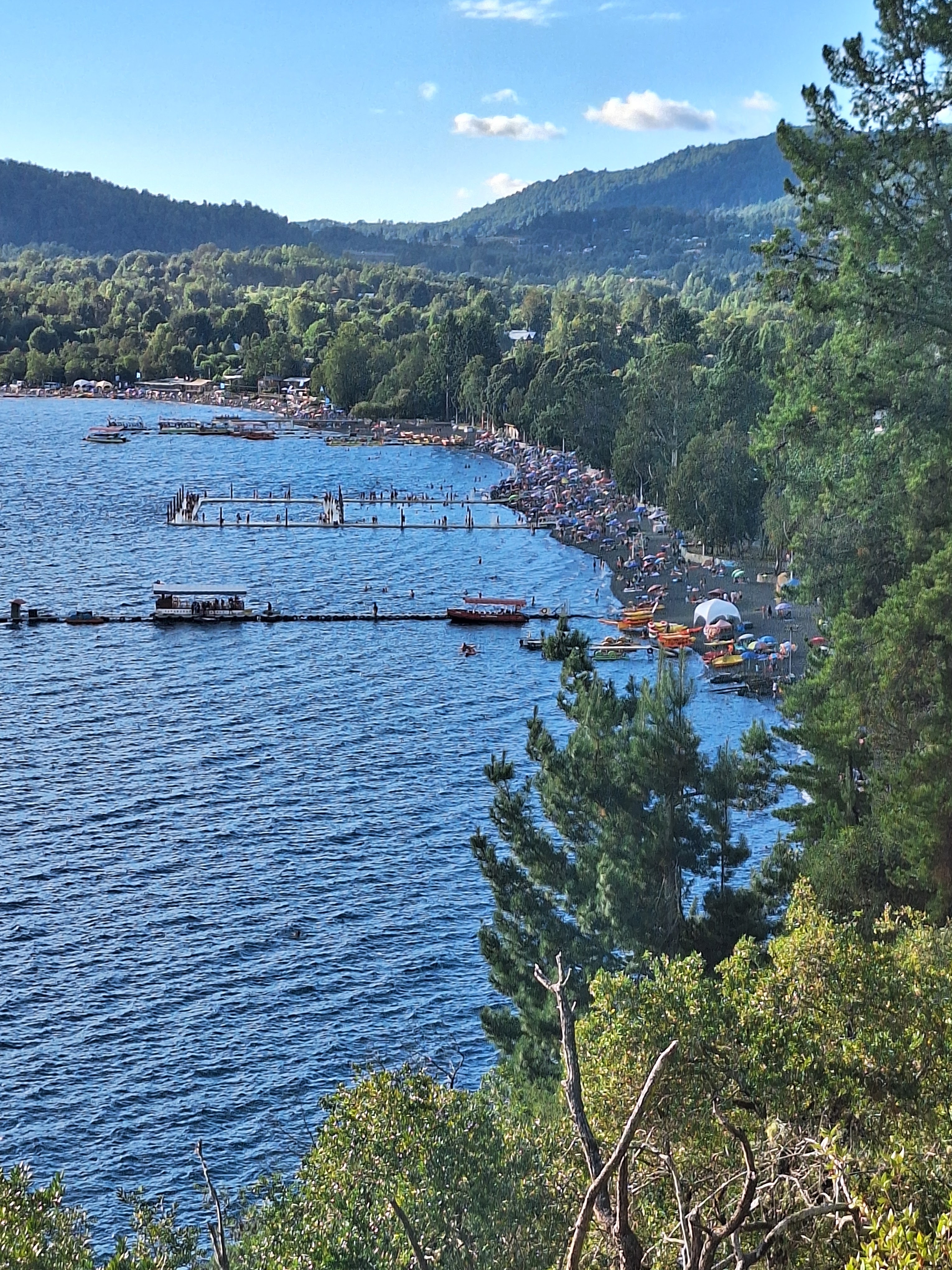
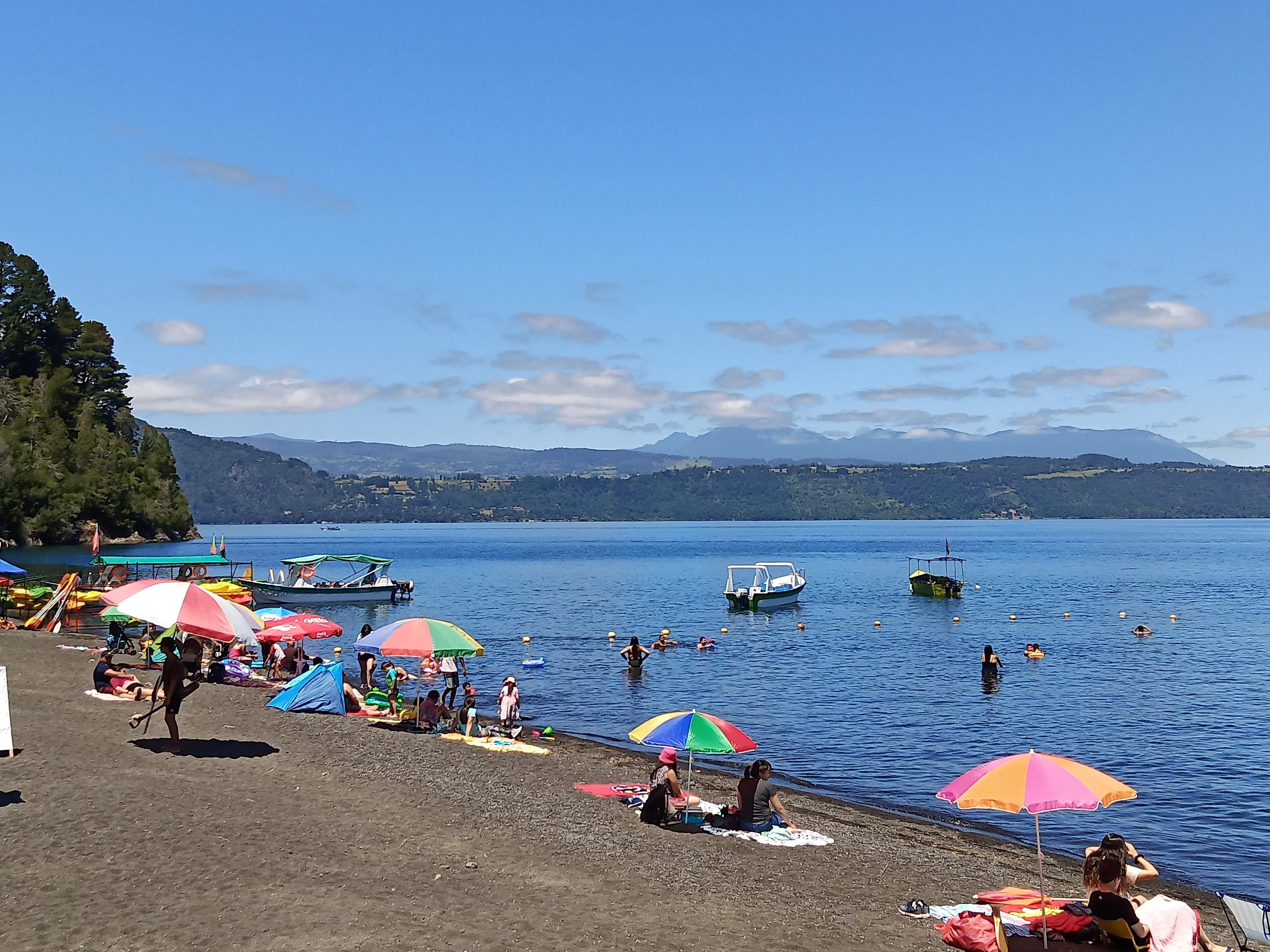
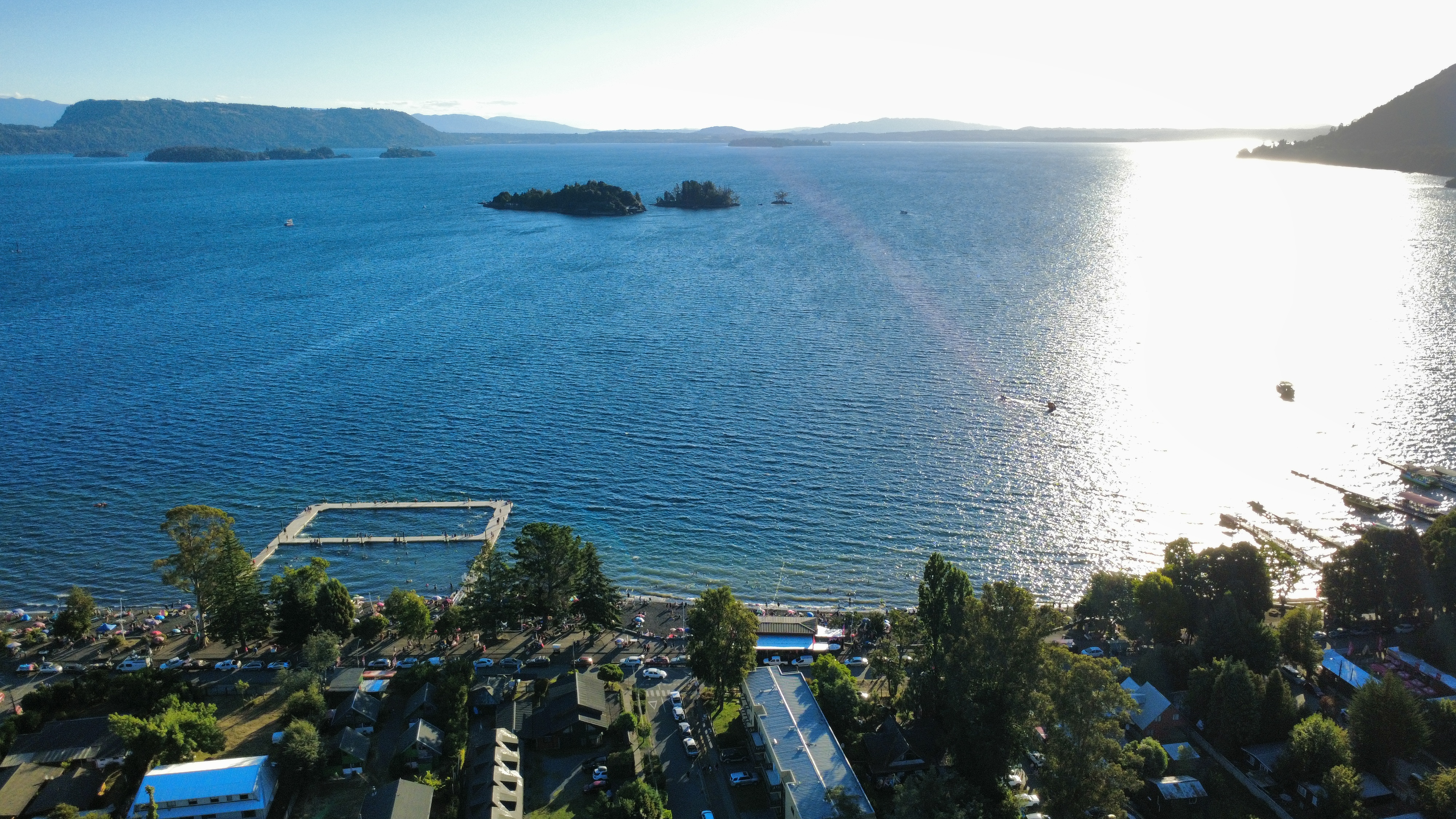
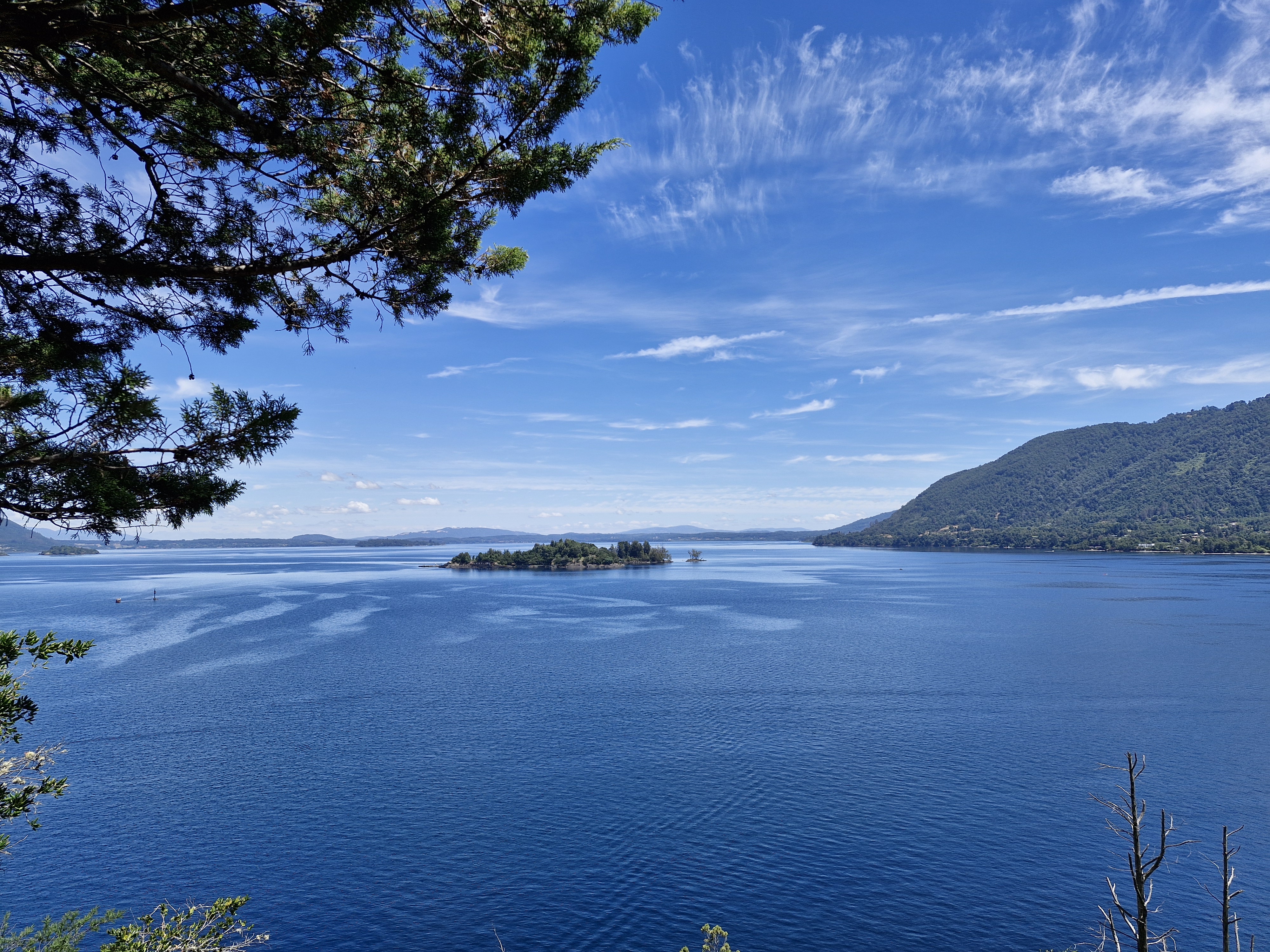
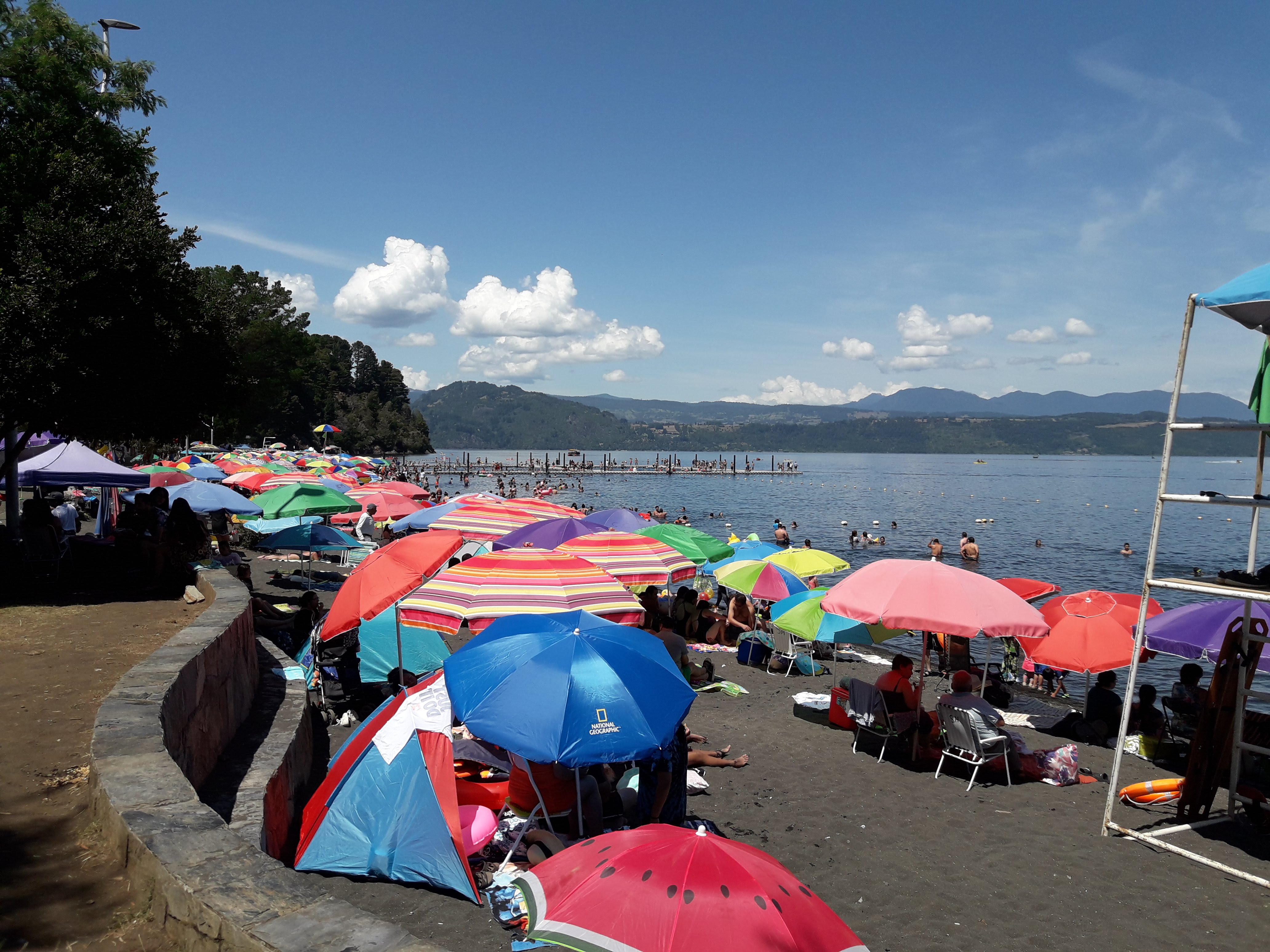
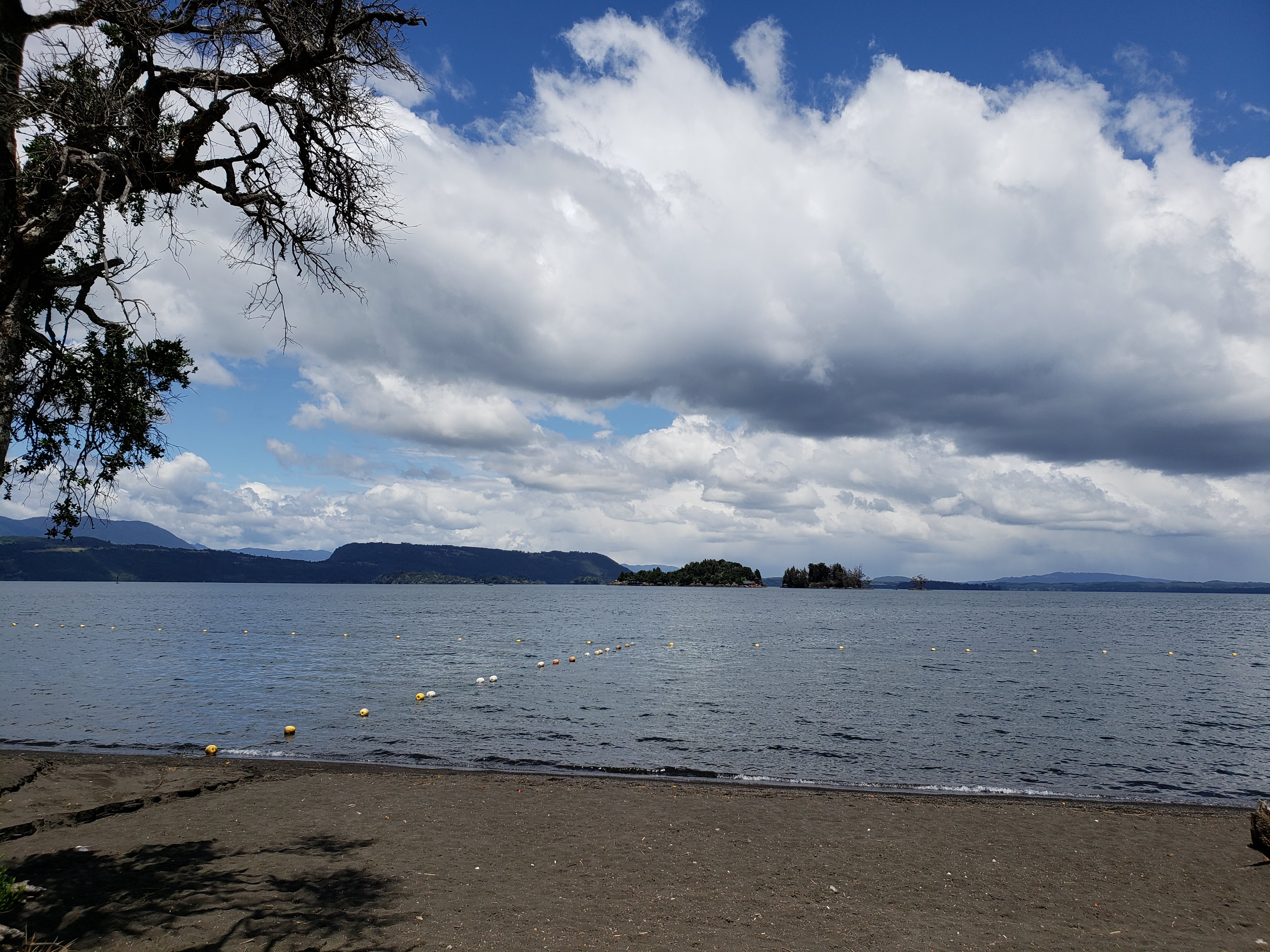
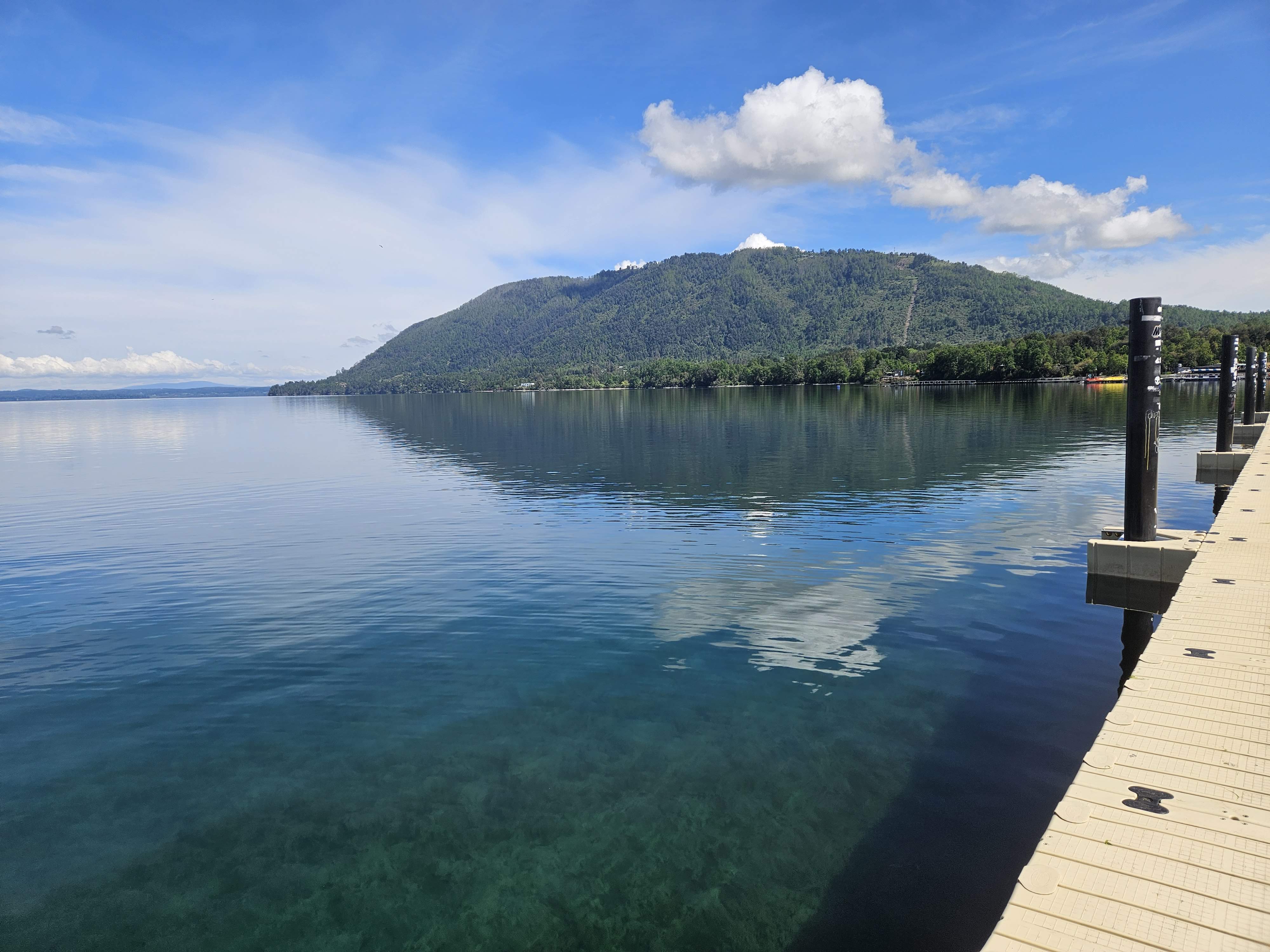
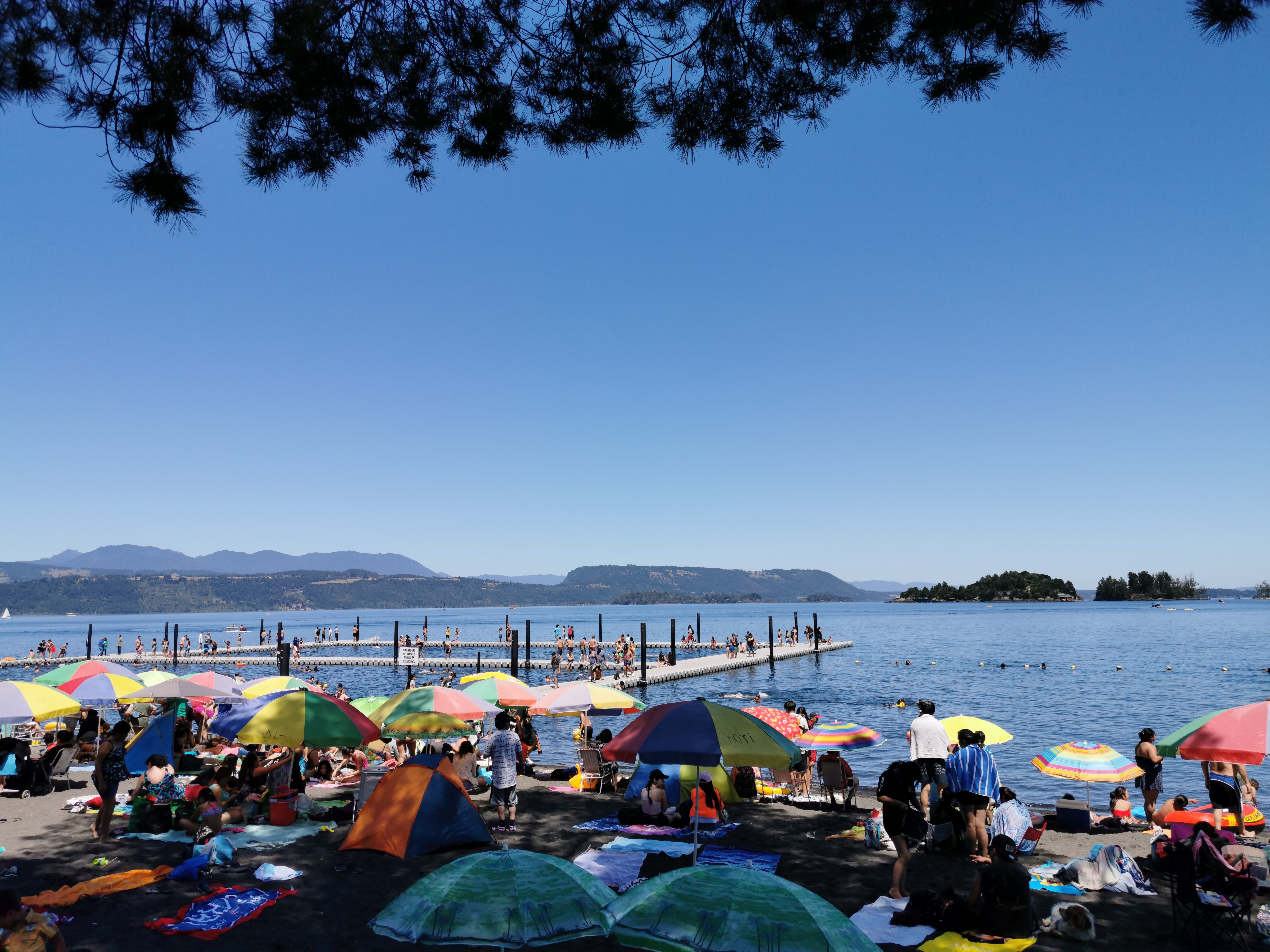
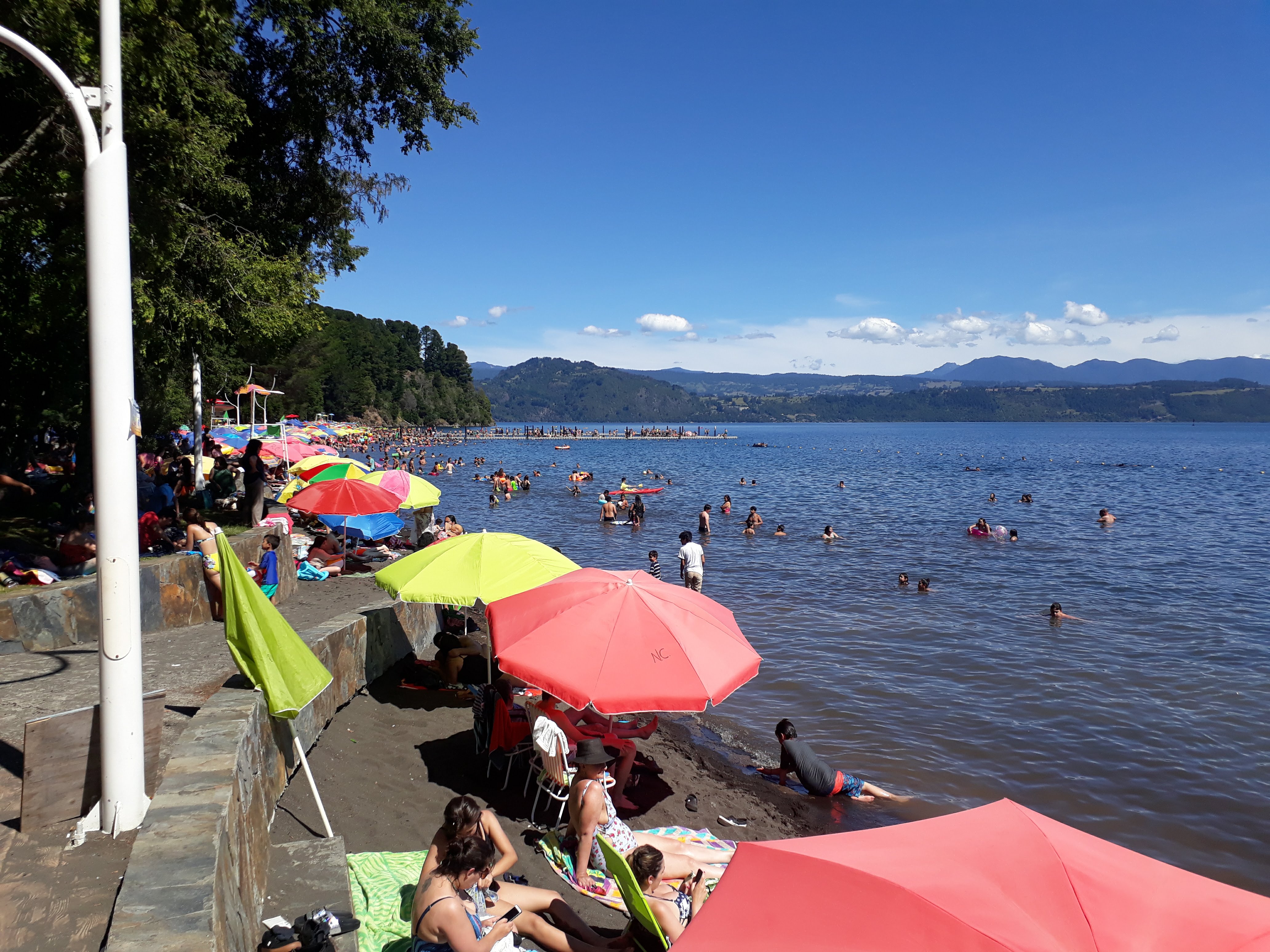
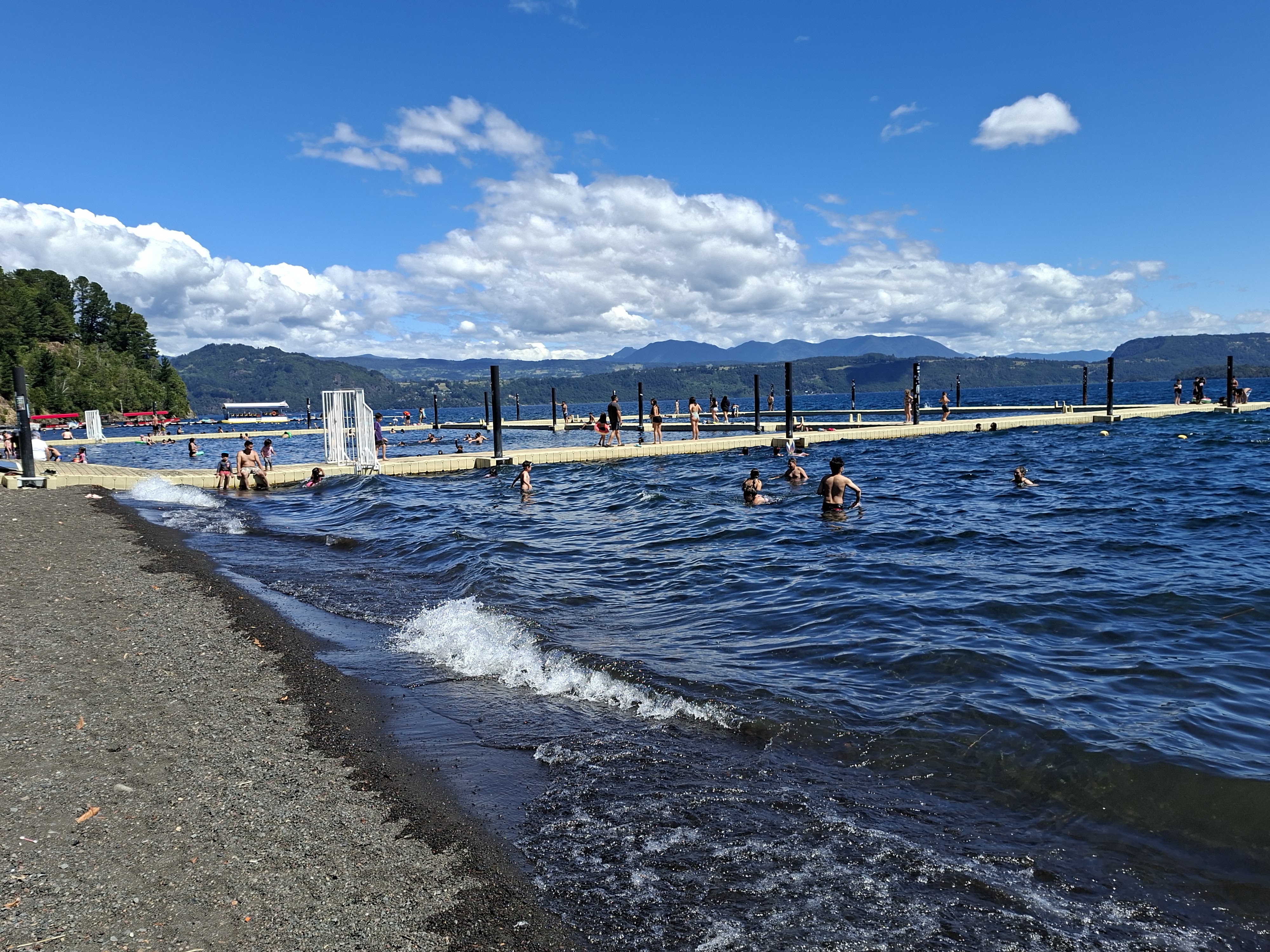
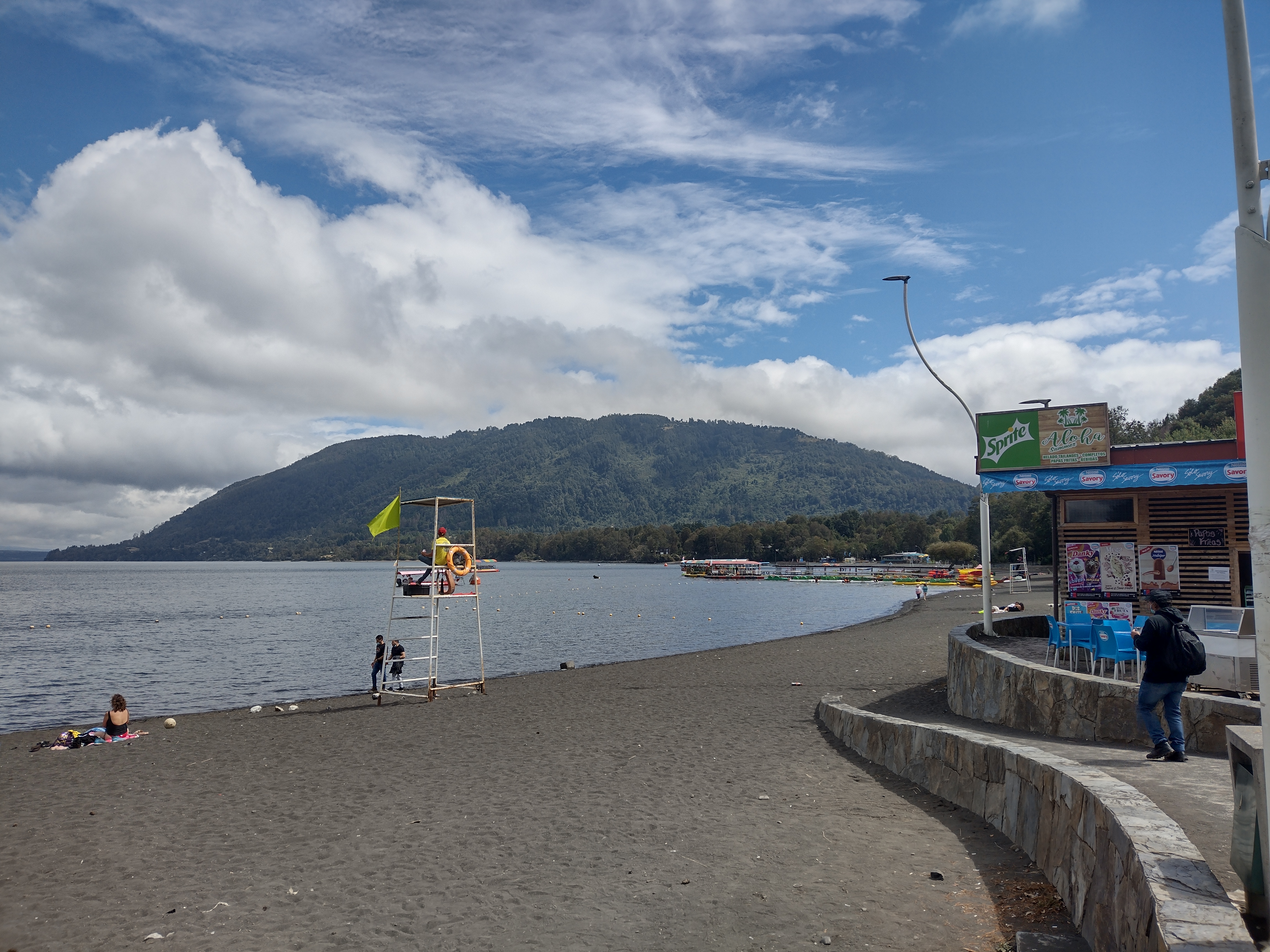
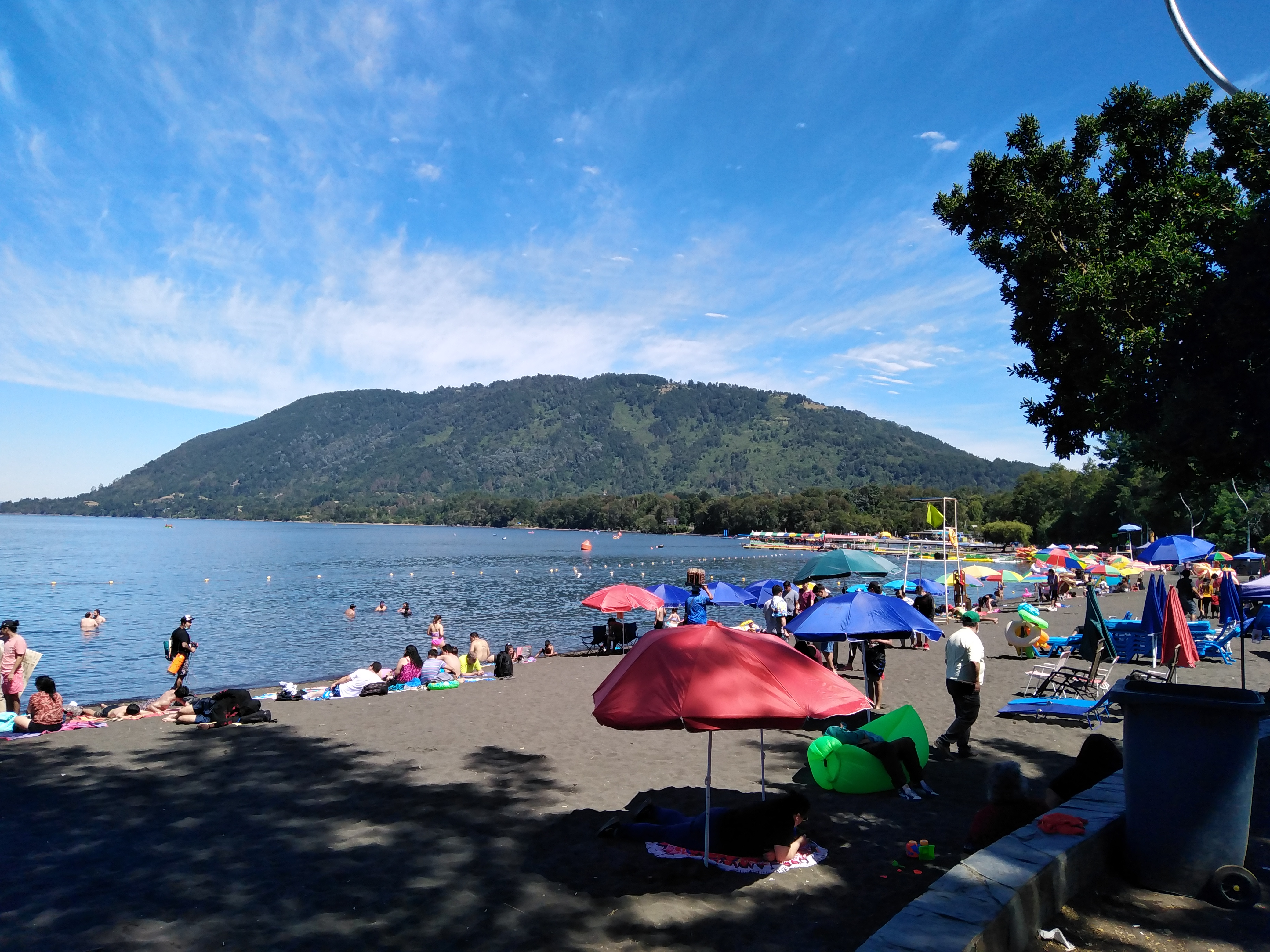
Playa Grande is the main beach of Licán Ray, a village in the commune of Villarrica, in the La Araucanía Region, on the north shore of Lake Calafquén. Its fame comes from an unusual combination: a long stretch of dark, volcanic-origin sand — the result of activity from the nearby Villarrica volcano — a clear, calm freshwater lake ideal for water sports, and a strong rooted Mapuche culture. The beach and the neighbouring Playa Chica are separated by a peninsula covered in native forest that, besides holding a trail, works as a natural viewpoint over the islands, the lake and the Andes range. It is one of the most beloved summer destinations in southern Chile and a must-stop for anyone travelling the Araucanian lake route.

About Playa Grande

Playa Grande is a public-use beach resort located in Licán Ray, commune of Villarrica, in the La Araucanía Region. Its protection and management are part of municipal stewardship and the regional tourism agencies, in a territory that belongs to the ancestral Mapuche homeland. The site is maintained as an open lakeside recreation space, where the volcanic-sand beach, the native forest of the peninsula and the village's services all coexist.

Highlights

  • Black volcanic-sand beach facing Lake Calafquén
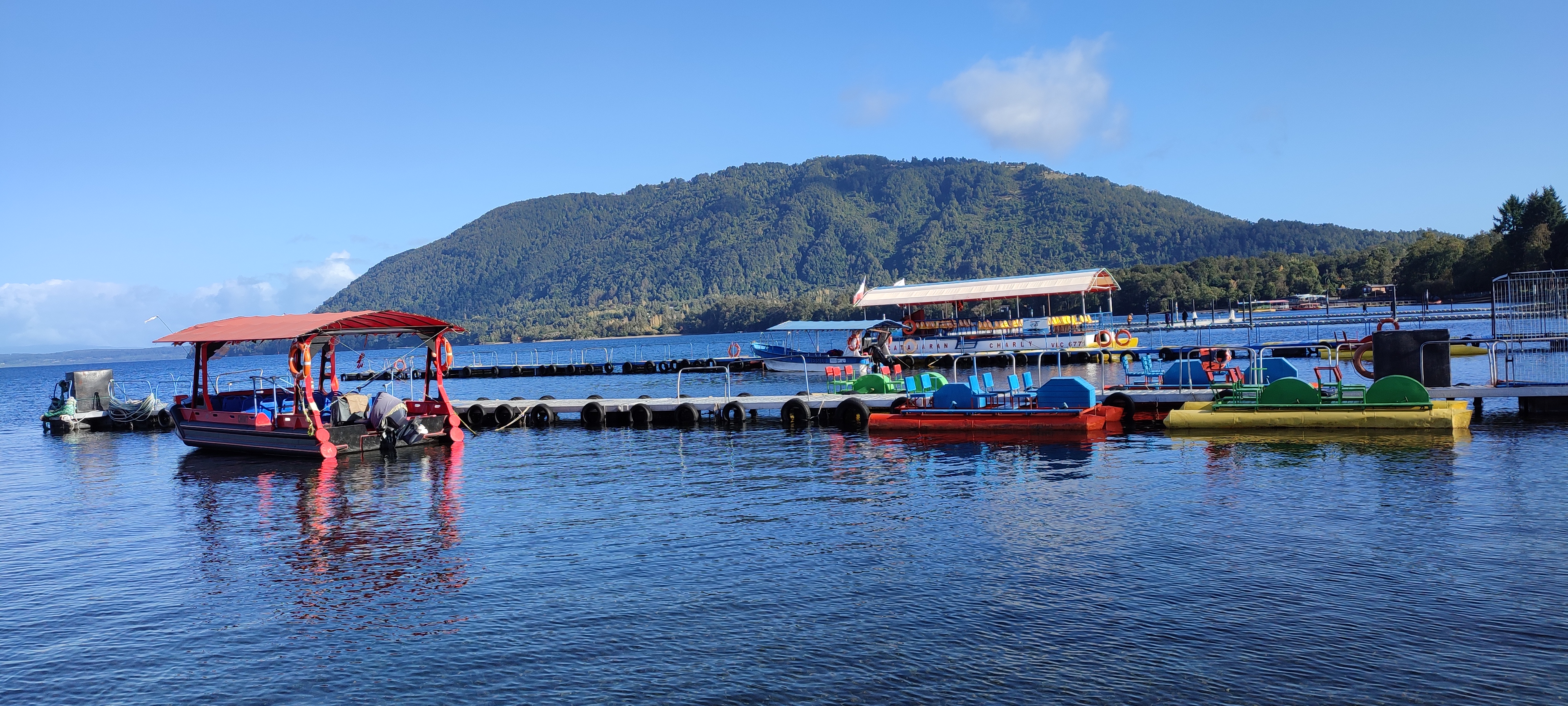
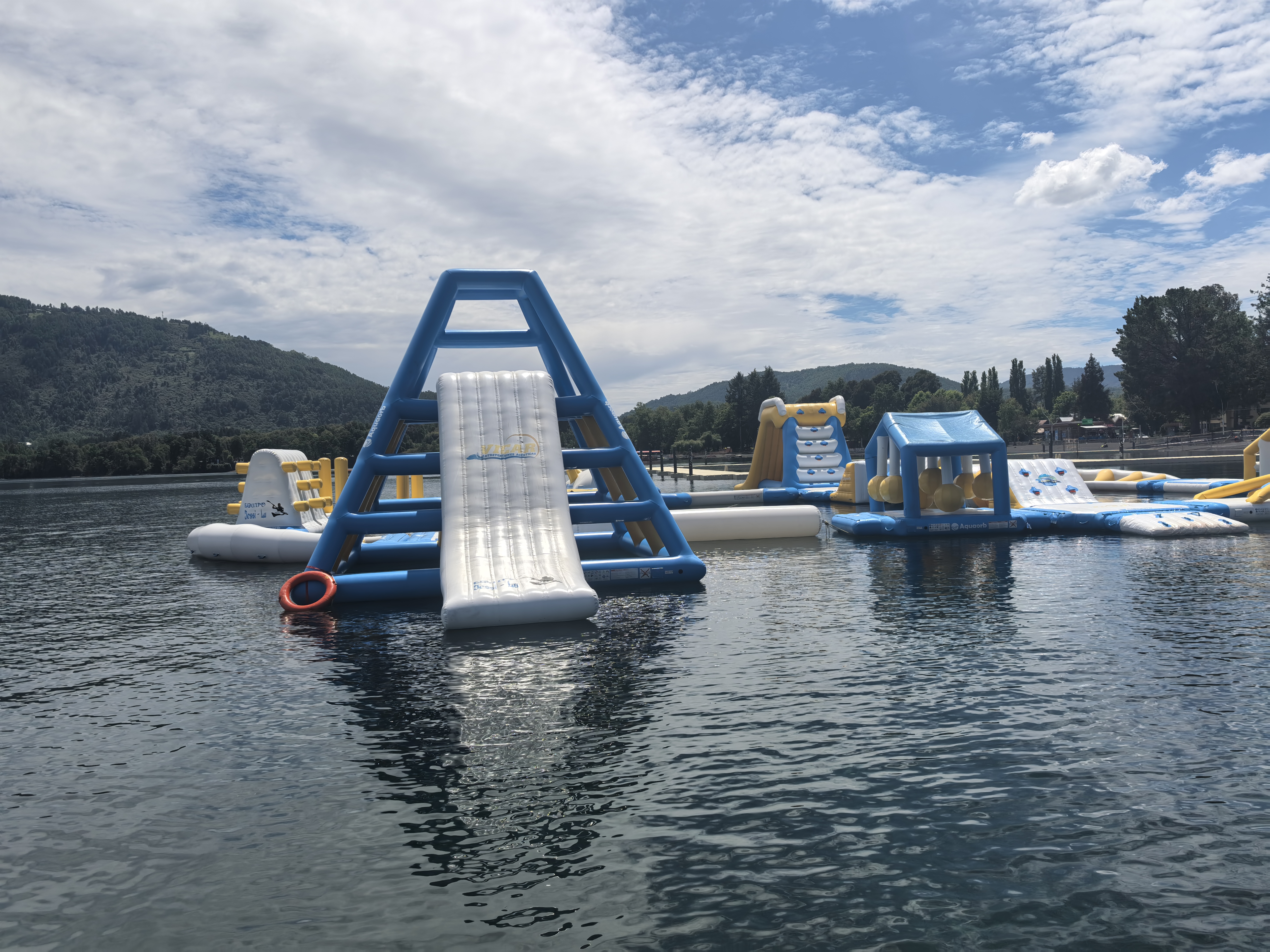
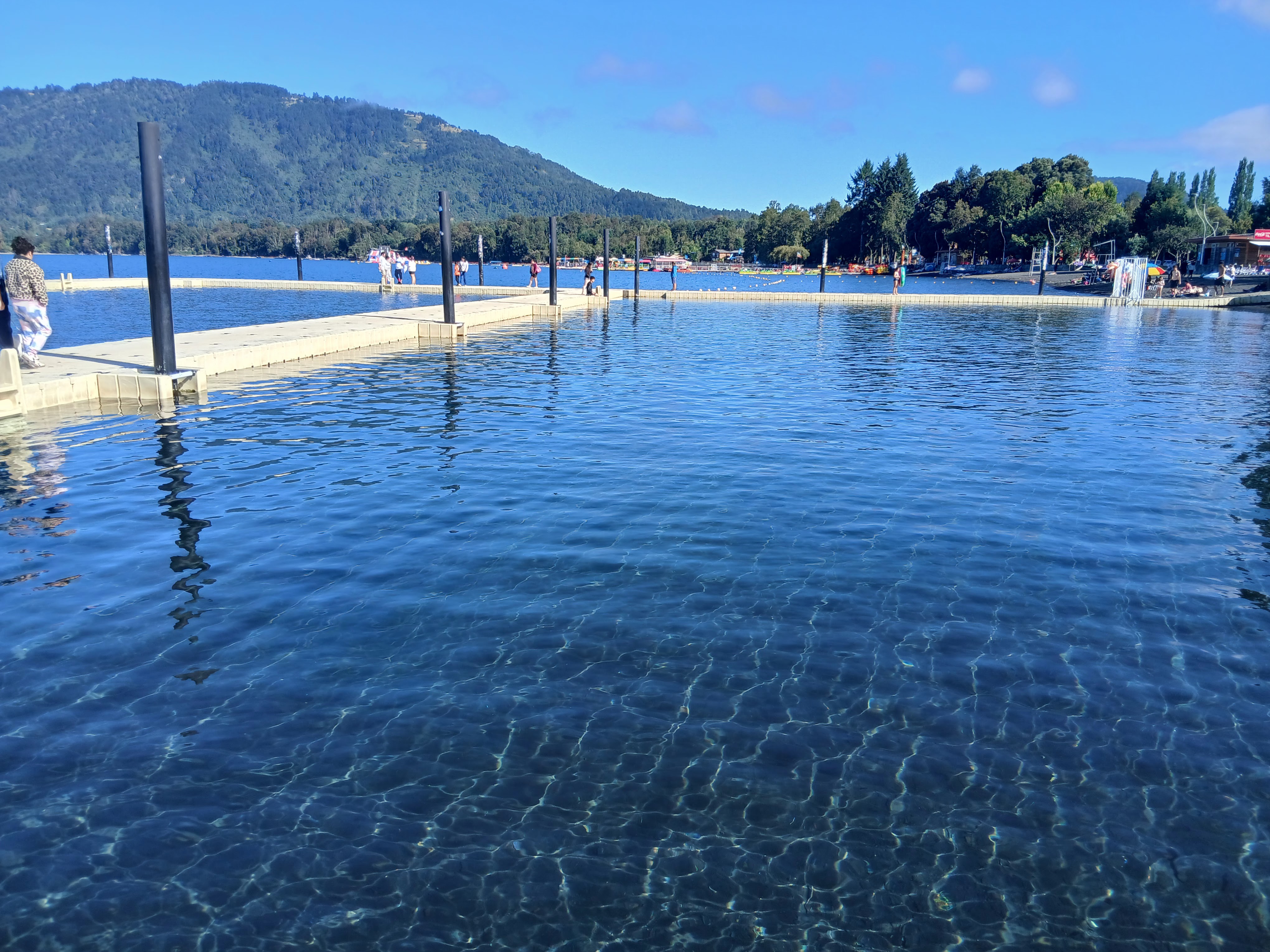
  • Calm freshwater for swimming, kayak, paddle and windsurf
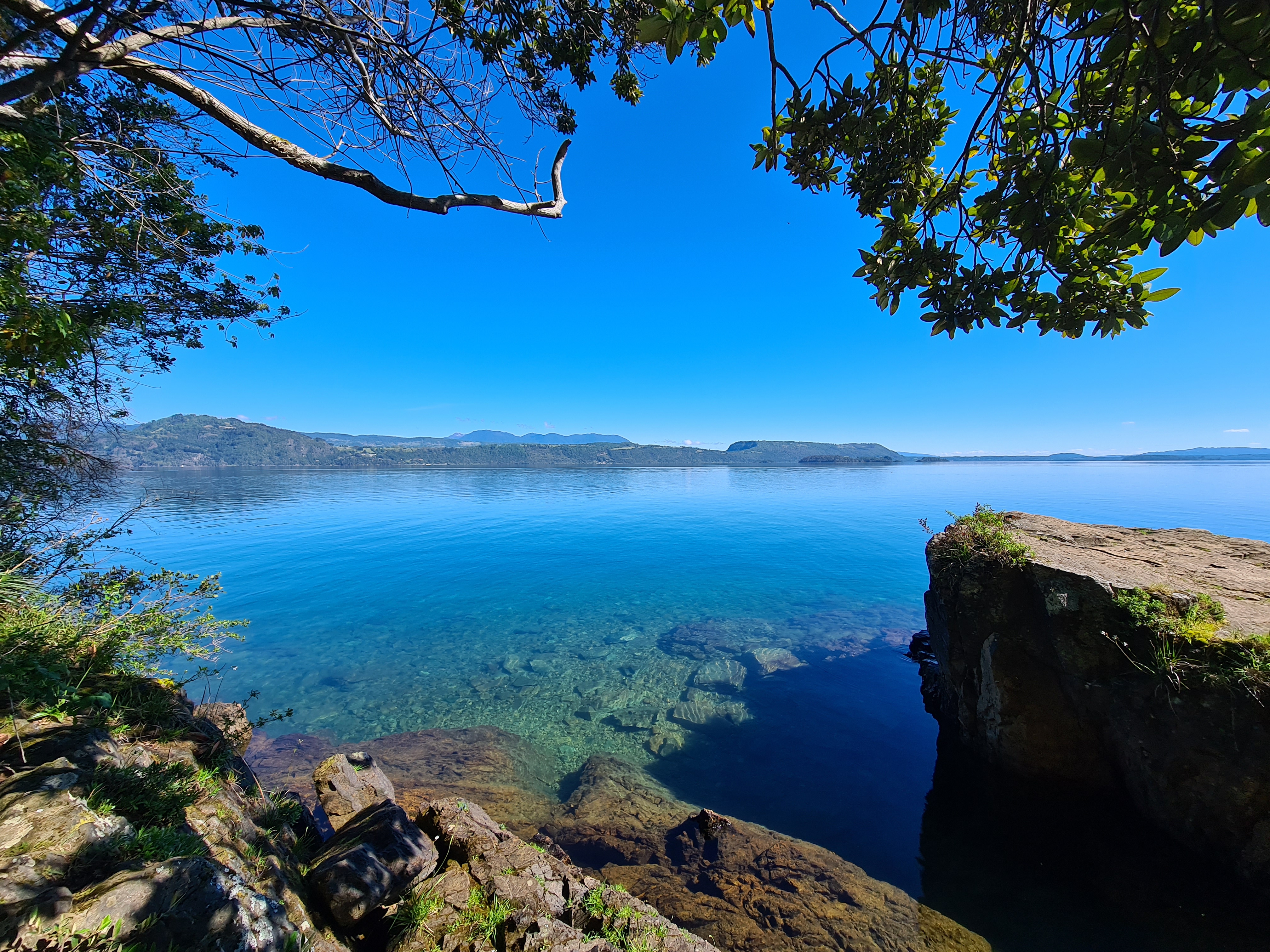
  • Peninsula viewpoint with native forest and a marked trail
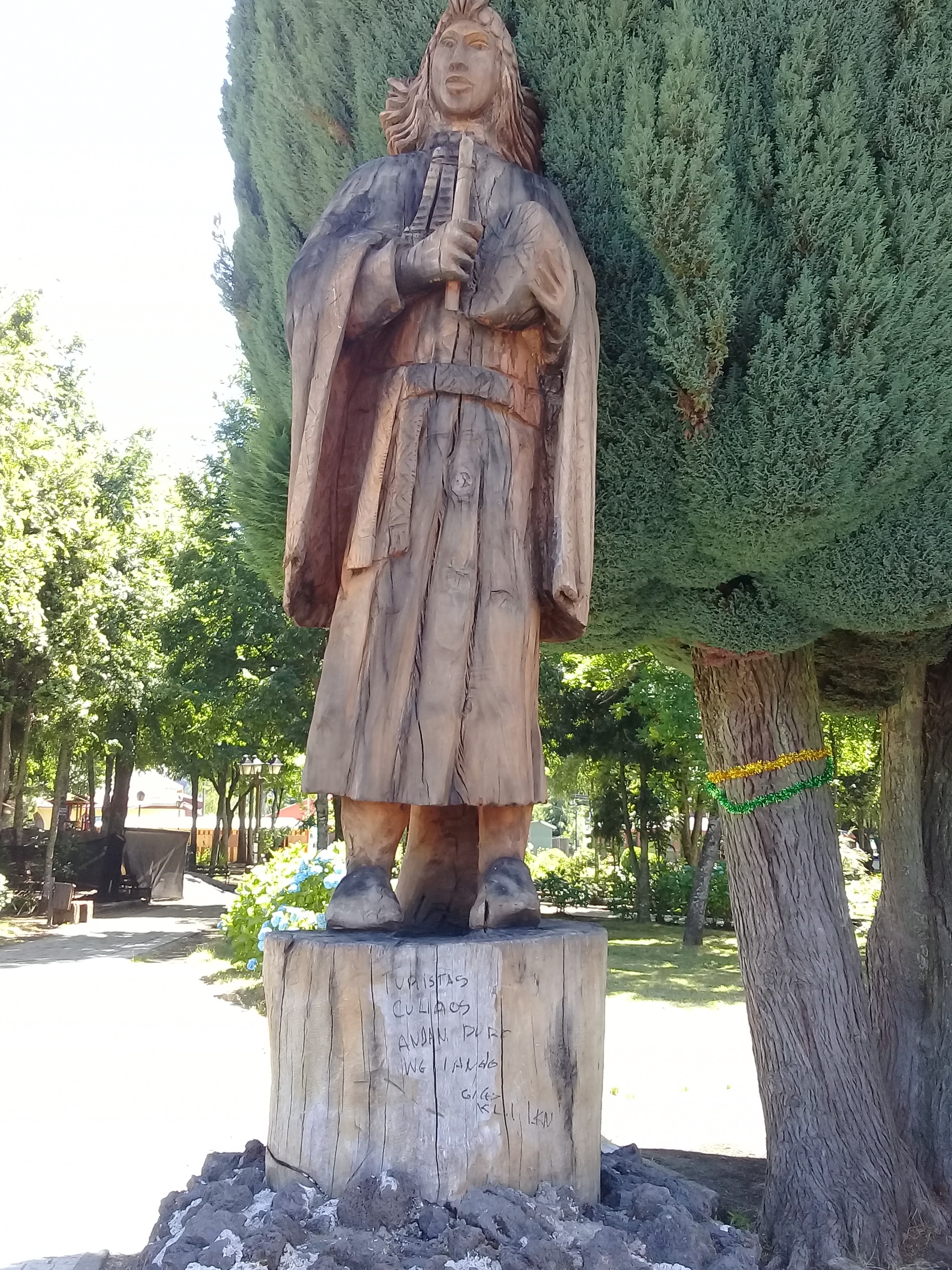
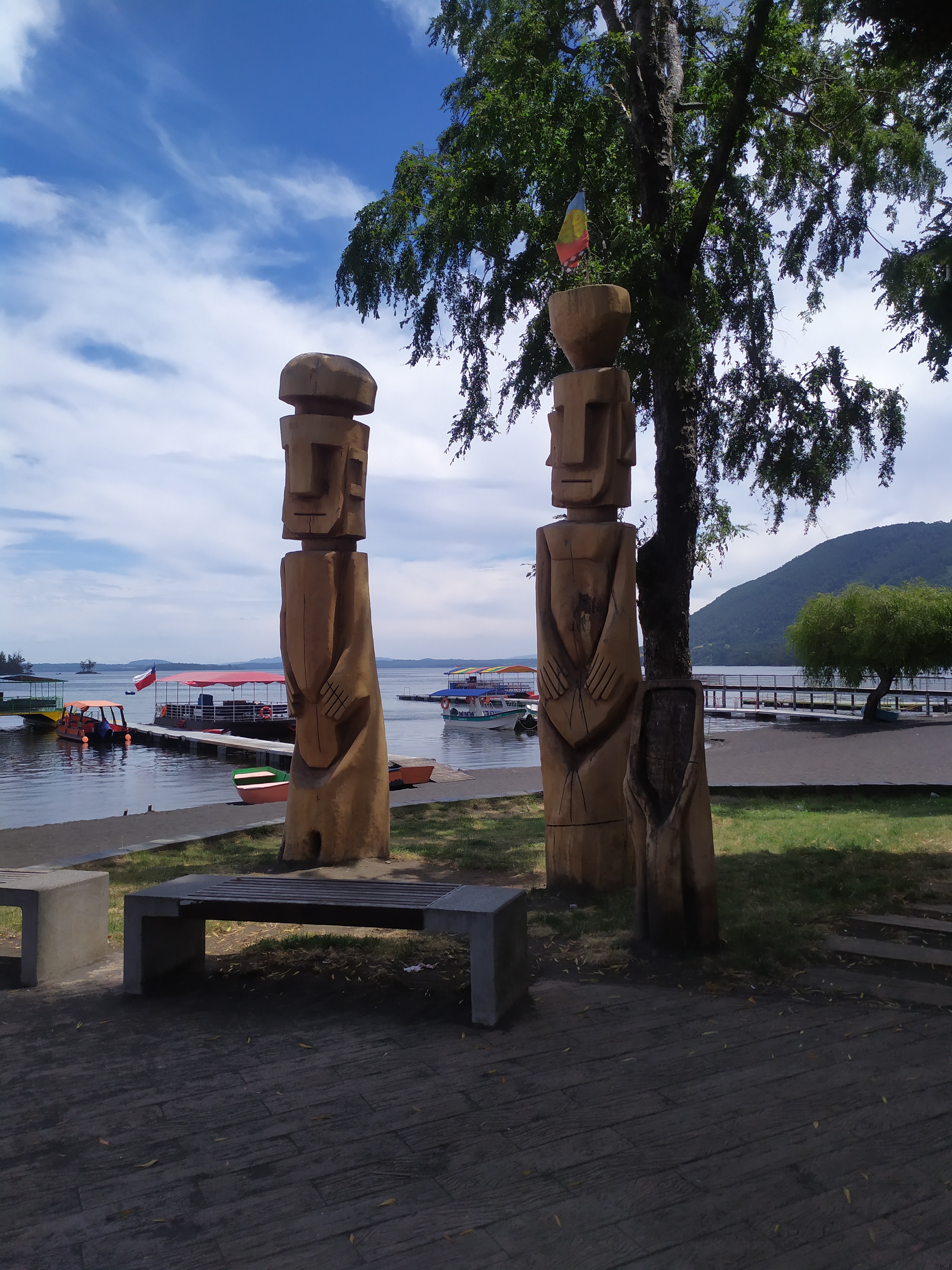
  • Living Mapuche culture: craft market, food and legends

How to Reach Playa Grande Lican-Ray

From the plane or bus to Temuco, then by bus, car, taxi or bike to the shore of Lake Calafquén.

Start with where you are coming from

Most visitors reach southern Chile by plane or bus to Temuco, and from there combine public transport or a car to Licán Ray. The last mile is short: the beach resort is a few minutes from the village, along the road that borders Lake Calafquén.

Know this before you set out

  • Licán Ray sits on the north shore of Lake Calafquén, commune of Villarrica, about 90–110 km from Temuco.
  • There is no passenger train to the area; access is by road (plane + bus/car, or direct bus).
  • In January and February it gets crowded; arrive in the morning and book accommodation in advance.
✈️

Arrival by plane

Flight to La Araucanía Airport

The nearest airport is La Araucanía (ZCO), near Temuco, with flights from Santiago and other cities.

  • -From Santiago the flight takes about 1 h 20 min to Temuco.
  • -From the airport to Licán Ray it is roughly 1 h 40 min – 2 h by road.
  • -At the airport you can rent a car or take a bus/transfer to Villarrica and Licán Ray.
🚌

Public transport

Long-distance Bus

From Temuco or Pucón there are regular bus services that reach Licán Ray.

  • -The bus terminal is in the village, a few minutes' walk from the beach.
  • -There are also connections via Villarrica, which lies on the Ruta 5 Sur.
  • -It is the cheapest option if you are not driving; frequencies rise in high season.
🚗

Driving visit

Self-drive Route

Driving lets you explore the Araucanian lake route at your own pace.

  • -From Temuco via the Ruta 5 Sur to Villarrica, then the road towards Licán Ray / Lake Calafquén.
  • -From Pucón you reach it by following the lakeshore on a paved road.
  • -There is parking in the village and in areas near the beach.
🚕

Short hop

Taxi or Remise

From Villarrica or the airport, taxis and remises handle the final stretch comfortably.

  • -Ideal if you travel with family, luggage or small children.
  • -You can combine a bus to Villarrica and a remise to the lake shore.
  • -Agree on the fare before boarding; distances within the commune are short.
🚶

Slow-paced

Walking or Cycling

The village and the beach are very close; walking or renting a bike is part of the plan.

  • -From the centre of Licán Ray to the shore is only a few minutes on foot.
  • -There are cycle routes along the lake, ideal at sunset.
  • -The peninsula has a marked trail suitable for an easy walk.
Tips for your arrival

  • If you come in summer, arrive in the morning: parking and shade fill up early.
  • There is no train to the area; plan the final stretch by bus, car, taxi or remise.
  • Combine your visit with Villarrica or Pucón to make the transfer worthwhile.

Essential Guide

Essential Guide

Brings together the best time to visit, where to stay by area, photo spots and beach precautions in one clean planning section.

Best Time

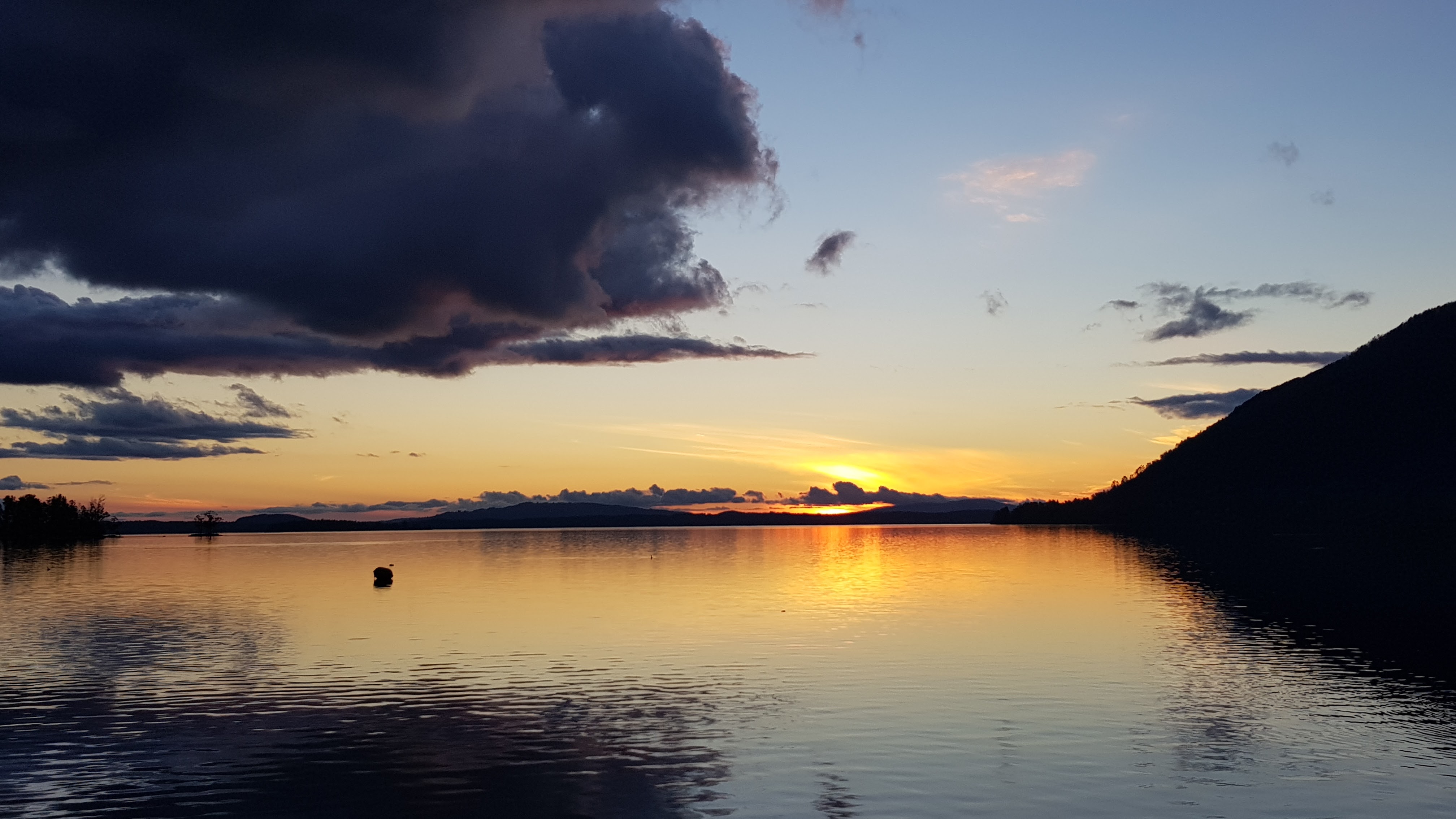
The beach is best enjoyed in the mornings and afternoons, with softer light and fewer crowds; the sunset over the lake is usually spectacular, and calm-wind days invite water sports.

  • Set aside half a day to combine a swim, a walk on the peninsula and the lakeside craft market.
  • The beach is public and free; there is no entrance control or closing time (open 24 hours).
  • Bring sunscreen, a hat and water: lakefront UV radiation is intense in summer.
  • The village of Licán Ray is a few minutes' walk away, with restaurants, cabins, campsites and food stalls.

Where to stay (by area)

  • Lake Calafquén shore: cabins and campsites right by the water, ideal for water sports and sunset views from your window.
  • Licán Ray town centre: more restaurants, the Mapuche craft market and local life, just minutes from the beach.
  • Typical southern-Chile lodging: family cabañas and forest-side campings (campings); we don't endorse specific brands.
  • High season Jan–Feb: book months ahead — prices rise and availability drops.

Best photo spots

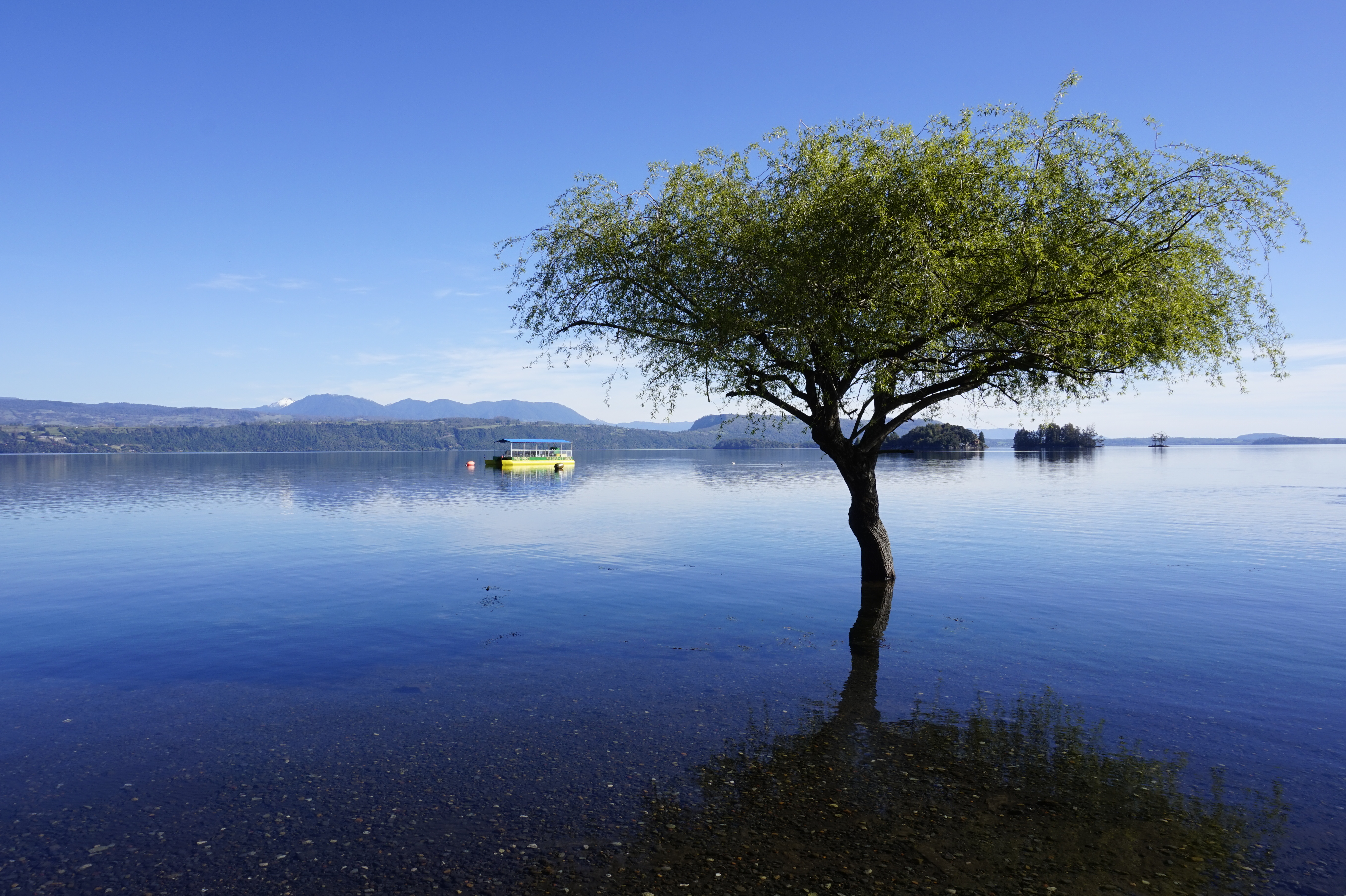
Best light: early morning and golden hour; the lake is calmest at dawn, perfect for reflections.

  • Licán Ray Peninsula Viewpoint: 39.4137° S, 72.0806° W
  • Playa Grande Waterfront: 39.4105° S, 72.0831° W
  • Black-sand to blue-water transition: 39.4112° S, 72.0824° W

Beach precautions

  • Volcanic black sand absorbs sunlight and gets very hot in summer: wear beach shoes to avoid burning your feet.
  • Safer swimming near the waterfront; paddle and kayak are best in the calm morning hours.
  • Public restrooms and showers in the village and beach clubs; flat access to the shore, but sand hinders wheelchairs.
  • Bring sunscreen, a hat and water: lakefront UV radiation is intense.

History, Meaning & Legend of Playa Grande

1

Origins & Geology

The dark sand of Playa Grande is of volcanic origin: it comes from the activity of the Villarrica volcano, one of the most active in the southern Andes. Through eruptions and weathering, dark sediments were carried and deposited on the north shore of Lake Calafquén, forming this singular-coloured beach. The setting is part of the Lake Calafquén basin, a clear-water lacustrine system surrounded by Valdivian-type forests and the Andean range.

2

What does 'Licán Ray' mean?

'Licán Ray' comes from Mapudungun and is usually translated as 'flower of stone'. The area lies in the traditional Mapuche territory, and the place name reflects that deep bond between the original language and the lakeside landscape. Today the name identifies both the beach resort and its main beach.

3

The Legend of Licán Ray

Local tradition tells of Licán Ray, daughter of a Mapuche chief, whose beauty and sorrow over an impossible love are said to have become bound to the landscape of this lake. Although the legend is passed down through generations as part of the territory's cultural heritage, it is a popular-rooted tale that embellishes — rather than documents — the site's history.

4

A Southern Chile Destination

Today Playa Grande is one of the most visited beach resorts in the La Araucanía Region. Together with Pucón, Villarrica and the southern lakes, it forms part of the Araucanian lake tourist route, and is a key spot to enjoy nature, water sports and Mapuche culture all in one day.

Selected Impressions

Two short visitor quotes bridge the historical read and the real lakeside experience.

“A huge black-sand beach with a super calm lake. Perfect for families and spending the whole day.”

Camila R., February 2026

“The sunset over the Calafquén is stunning, and the peninsula with its trail is the best viewpoint.”

Diego M., January 2026

Frequently Asked Questions

Practical information on facilities, history and planning your visit to Playa Grande Lican-Ray.

Parking
In the village and areas near the beach
Restrooms
In the village, beaches and nearby services
Fuel / EV
Fuel and EV charging in Villarrica and Pucón
Accessibility
Flat access to shore; sandy stretches

Transport & Facilities

Is there parking nearby? How much does it cost?

Yes. The village of Licán Ray has parking and stopping areas near the beach; it is usually free or low-cost. In January and February it fills up early, so it is best to arrive in the morning.

Can wheelchairs or strollers get close?

The approach to the shore is mostly flat with access paths from the village, but the beach sand makes it hard for wheelchairs and strollers. It is best to head to the paved waterfront area.

Are there restrooms or food nearby?

The village has public restrooms, beach clubs and food outlets; along the waterfront you will find restaurants, cafés and kiosks with seafood and Mapuche food, a few minutes from the beach.

History & Trivia

Why is the sand black?

Because it is of volcanic origin: it comes from the activity of the Villarrica volcano and the basaltic rocks of the area, deposited on the shore of Lake Calafquén.

What can you do on the lake and the peninsula?

On the lake you can swim and practise kayak, paddle, windsurf, water skiing and sport fishing. The peninsula between Playa Grande and Playa Chica has a trail and a viewpoint over islands, the lake and the range.

Planning & Tickets

Is there an entrance fee?

No. Playa Grande is a public, free-access beach resort, open 24 hours; there is no entrance control or cost.

How long does a visit take?

A typical visit lasts half a day: a swim and walk along the waterfront, the climb to the peninsula viewpoint and a stroll through the craft market. Add Villarrica or Pucón and it fills a full day.

Can I go in bad weather?

The beach is open-air and can be visited any day, but in rain or strong wind the lake gets choppy and temperatures drop. In winter crowds are low; the high season is January and February.

What to see nearby

After visiting, what else do you recommend nearby?

Very close by are Playa Chica, the village of Licán Ray and Lake Calafquén. A short distance away are Villarrica (with its volcano and beach), Pucón, the Coñaripe hot springs and Huerquehue National Park.